How Festival Programmes Are Structured
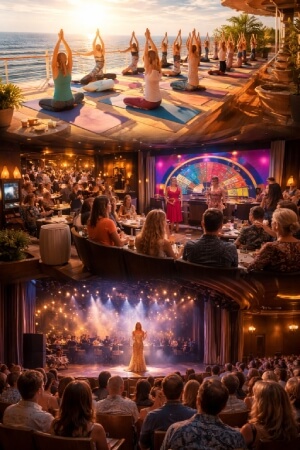
Planning the entertainment ahead of time, performances and things are usually all booked way in advance. The idea is to have a flow through the events spiral, where passengers have some sort of activity gently engaging them up to a point, without overdoing it they want attendees to feel they didn't miss anything while also having a chance to soak in the ship's offerings.
Core Programme Layout
Most cruise festivals follow a structured daily format. Mornings often begin with light activities such as wellness sessions, talks, or informal performances. Afternoons gradually build energy with workshops, smaller gigs, and themed gatherings. By evening, the programme shifts toward headline performances, usually held in larger venues designed to accommodate most passengers.
Balancing Headliners and Supporting Acts
A key feature of cruise festivals is the balance between major performers and emerging talent. Headliners typically perform during peak evening slots, drawing large audiences, while smaller acts are scheduled throughout the day across multiple venues. This creates opportunities for discovery and keeps the programme dynamic.
Types of Performances and Entertainment Venues
Cruise ships provide a unique environment for hosting a wide range of performances, often across several distinct venues. Each space is designed to support different types of entertainment, from large-scale concerts to intimate sessions.
Main Stages and Theatre Spaces
The primary venues are usually large theatres or open deck stages, where headline performances take place. These areas are equipped with professional lighting, sound systems, and seating arrangements that mirror traditional concert settings. They serve as the focal point of the festival and are often the most anticipated part of the programme.
Intimate and Interactive Spaces
In addition to main stages, cruise festivals feature smaller venues such as lounges, bars, and dedicated event rooms. These spaces host acoustic sets, DJ sessions, panel discussions, and interactive workshops. The atmosphere is more relaxed, allowing for closer interaction between performers and audiences.
Scheduling and Audience Experience
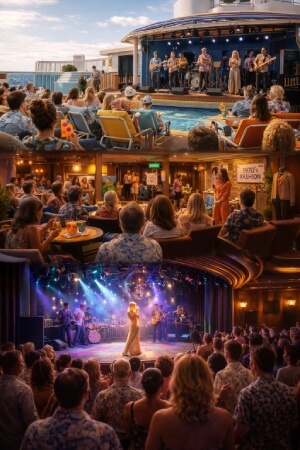
The scheduling of events plays a central role in shaping the overall experience. Cruise festivals are designed to avoid overlap between major performances while still offering enough choice to keep the programme engaging.
Daytime and Evening Programming
Daytime programming tends to focus on lighter, more flexible activities. These may include poolside performances, themed talks, or creative workshops. The aim is to complement the leisure aspects of cruising rather than compete with them.
Evening programming is more structured and often forms the highlight of the day. Headline acts, themed parties, and large-scale shows are scheduled during these hours, creating a shared experience for most passengers. This distinction between day and night helps maintain a natural rhythm throughout the festival.
Managing Flow and Attendance
Organisers carefully design schedules to distribute audiences across venues and time slots. This reduces overcrowding and enhances comfort. Digital schedules and mobile apps are often used to provide real-time updates, helping guests navigate the programme efficiently.
Typical Itineraries from UK Ports
Cruise festivals departing from UK ports often follow routes that combine entertainment with scenic destinations. These itineraries are designed to balance time at sea with opportunities to explore onshore locations.
- Short weekend cruises focusing primarily on onboard entertainment
- Mid-length voyages with stops in Northern Europe or coastal cities
- Longer themed cruises combining multiple destinations with extended programmes
These itineraries allow organisers to vary the intensity of the programme. Sea days typically feature the most activity, while port days offer a lighter schedule to accommodate excursions. This balance ensures that guests can enjoy both the festival and the travel experience without feeling rushed.
Evolution of Cruise Festivals
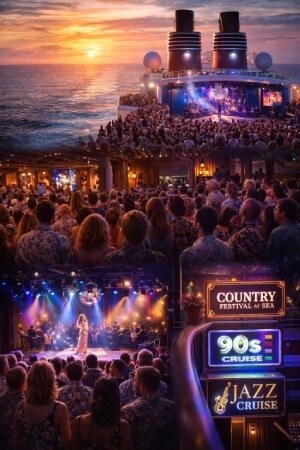
Cruise festivals have developed significantly over the past decade, moving from niche events to a recognised segment of entertainment tourism. Their growth reflects broader changes in how audiences engage with live experiences.
Increasing Role in Entertainment Tourism
Cruise festivals now attract a diverse audience, from dedicated fans to casual travellers seeking a themed holiday. The combination of travel, accommodation, and entertainment in a single package has made them an appealing option. This model also supports regulatory compliance, as events are managed within controlled environments that prioritise safety and organisation.
Future Trends and Specialised Themes
Looking ahead, cruise festivals are expected to become more specialised. Themes based on specific music genres, cultural movements, or even decades are becoming more common. Advances in technology are also shaping the experience, with improved scheduling tools, immersive stage design, and enhanced onboard connectivity.
Where Travel Meets Curated Entertainment
The cruise-festival business brings together detail and spontaneity, crafting a well-balanced blend of tourism and entertainment. It is characteristically flexible yet comfortably cloistered, with marked leisure on one hand and moderate activity on the other-all bouncing in a contemporary stream of fun and engaging tourism.
Quick Links
Celebrity Cruises Reveals Four New European-Inspired Festivals On Celebrity XCEL https://t.co/x0VUiXkSul #cruise #voyage #travel #adventure pic.twitter.com/RyJPuGCvjx
— Luxury Lifestyle (@luxurylifestyle) January 23, 2026